How to Choose a Reliable Cinnamon Supplier in Vietnam
09/10/2026
Learn how to choose a reliable cinnamon supplier in Vietnam. Discover quality standards, processing capabilities, certifications, and export considerations for global buyers.
How to Find a Trusted Vietnamese Cinnamon Supplier for Your Business
Vietnam has become an important sourcing destination for cinnamon, supplying spice importers, food manufacturers, distributors, and wholesalers in international markets. With its established cinnamon-growing regions, experienced processors, and diverse product offerings, Vietnam provides opportunities for businesses seeking a dependable long-term supply of cinnamon.
However, choosing the right cinnamon supplier involves more than comparing prices. Buyers need to evaluate product quality, processing capabilities, food safety controls, export experience, and the supplier's ability to maintain consistent specifications across shipments.
Whether you are sourcing cinnamon sticks, cassia bark, cinnamon powder, or customized spice ingredients, this guide explains the key factors to consider when selecting a reliable cinnamon supplier in Vietnam.
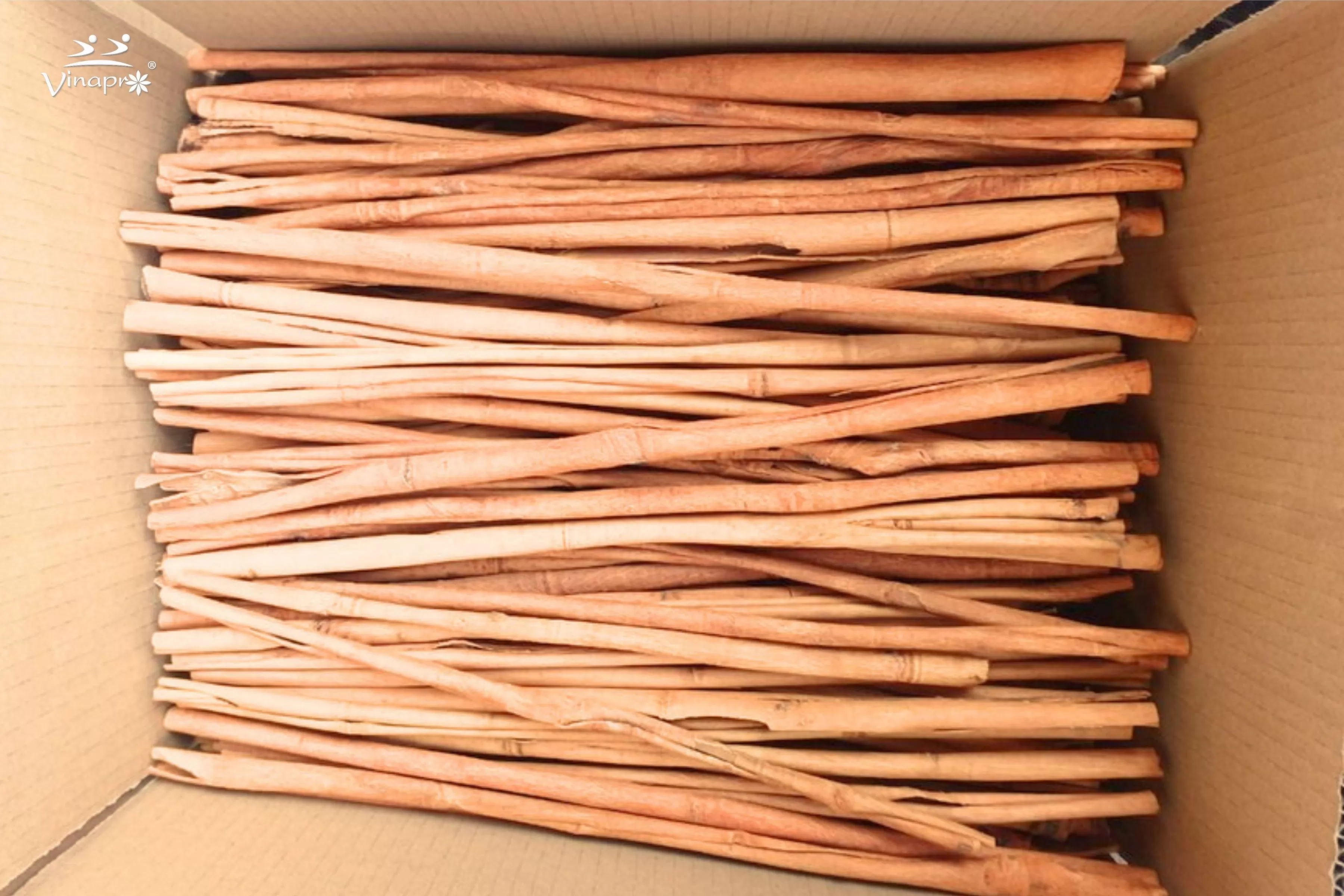
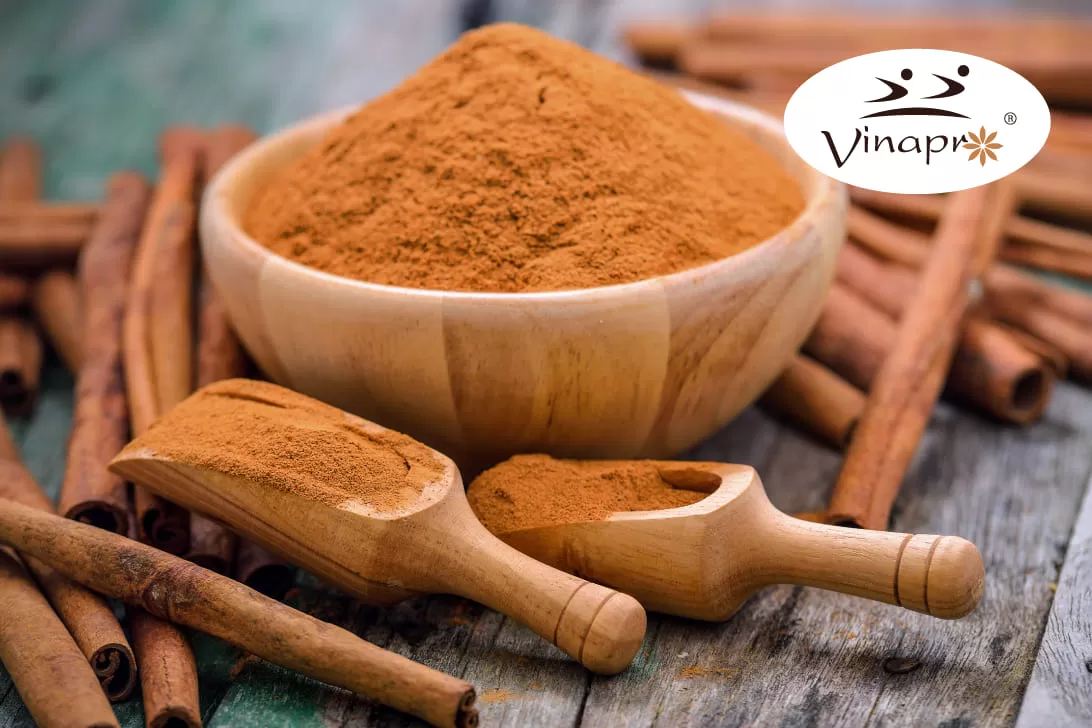
Vietnamese cassia cinnamon sticks prepared for international wholesale markets.
1. Understand Your Cinnamon Product Requirements
Before contacting suppliers, define the product specifications that match your business needs. Different applications require different cinnamon forms, quality parameters, and processing methods.
Common cinnamon products available from Vietnamese suppliers include:
- Cinnamon sticks: Suitable for spice distribution, retail packaging, food preparation, and further processing.
- Cassia bark: Available in different forms and grades for industrial use, wholesale distribution, and spice manufacturing.
- Cinnamon powder: Used in bakery products, seasoning blends, beverages, confectionery, and food ingredient manufacturing.
- Customized cinnamon products: Products processed to meet specific requirements for particle size, moisture, packaging, and other agreed parameters.
When requesting a quotation, clearly specify the product type, grade, required quantity, packaging format, destination market, and applicable quality standards.
For cinnamon powder, buyers should define parameters such as moisture content, particle size, color, aroma, microbiological requirements, and any applicable contaminant limits. For cinnamon sticks or bark, relevant specifications may include length, thickness, broken pieces, foreign matter, color, and moisture content.
Clear specifications help suppliers provide accurate quotations and reduce the risk of misunderstandings during production and shipment.

Vietnamese cinnamon products for wholesale and food manufacturing.
2. Evaluate Cinnamon Quality and Consistency
Product quality is one of the most important factors when choosing a cinnamon supplier. Even when two suppliers offer products with similar descriptions, their cinnamon may differ in aroma, color, cleanliness, processing quality, and consistency.
A professional supplier should be able to provide a product specification sheet describing the agreed quality parameters. Depending on the product and intended use, buyers should evaluate the following factors.
Moisture Content
Moisture content affects product stability, storage conditions, and suitability for further processing. Buyers should establish a maximum acceptable moisture level based on the product type, customer requirements, and applicable standards.
Aroma, Color, and Appearance
Cinnamon should have characteristics consistent with the agreed product grade. Buyers may request representative samples to evaluate its natural aroma, color, texture, and overall appearance before placing a commercial order.
Cleanliness and Foreign Matter
Raw cinnamon may require cleaning and sorting to remove unwanted materials. Ask the supplier about its cleaning procedures and the equipment used to control foreign matter, including stones, dust, and metal contamination.
Particle Size and Grinding Quality
For cinnamon powder, particle size influences texture, blending performance, and suitability for different food applications. Confirm the required mesh size and whether the supplier can maintain it throughout production.
Chemical and Microbiological Safety
Depending on the destination market and intended application, buyers may need to verify pesticide residues, heavy metals, microbiological parameters, and other relevant contaminants.
A reliable supplier should explain its quality control procedures and provide appropriate test reports or certificates where available. Testing should be relevant to the product, batch, and applicable regulatory requirements.

Workers carefully inspect and sort Vietnamese cinnamon sticks to maintain consistent color, size, cleanliness, and quality for export.
3. Check Food Safety Certifications and Testing Capabilities
Certifications and laboratory testing can help buyers assess a supplier's food safety management practices. However, certificates should always be verified rather than accepted solely on the basis of a logo or claim.
When evaluating a Vietnamese cinnamon supplier, consider asking about:
- ISO 22000: A food safety management system standard.
- HACCP: A systematic approach to identifying and controlling food safety hazards.
- Organic certification: Relevant when purchasing certified organic cinnamon; verify the scope, product coverage, and validity.
- Third-party laboratory testing: Reports covering relevant parameters such as pesticide residues, heavy metals, or microbiological quality.
- Destination-market compliance: Requirements that apply to the product, importer, and country of destination.
Not every certification is mandatory for every shipment or market. Requirements depend on the product, applicable legislation, customer specifications, and any voluntary certification commitments.
For buyers importing cinnamon into the European Union, the United States, or other regulated markets, it is important to confirm the relevant requirements before production and shipment. Do not assume that a supplier's general statement of compliance replaces the documentation required for a particular product or consignment.
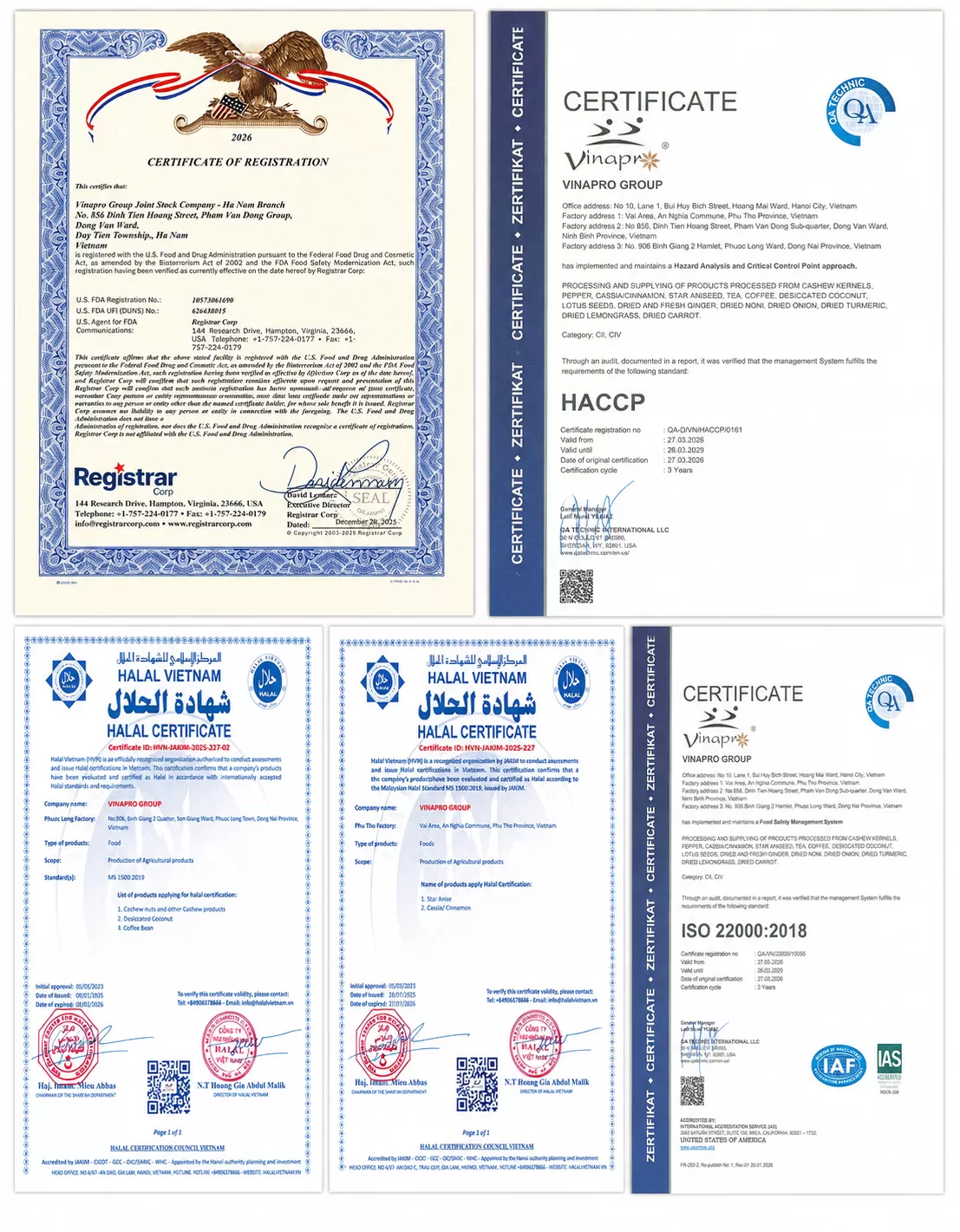
Vinapro Group showcases its factory certifications and quality assurance documents to demonstrate its commitment to food safety, product quality, and international export requirements.
4. Assess the Supplier's Processing Facilities
A supplier's processing capabilities can directly influence cinnamon quality, production efficiency, and order reliability.
When comparing suppliers, ask how the cinnamon is handled from raw material sourcing through cleaning, processing, packaging, and final inspection.
Important capabilities to evaluate include:
- Raw material selection and traceability.
- Cleaning and sorting systems.
- Stone separation and dust removal.
- Metal detection and foreign-matter control.
- Grinding and sieving equipment for cinnamon powder.
- Appropriate treatment processes where required.
- Packaging facilities and finished-product inspection.
For cinnamon powder, grinding technology is particularly important because it affects particle size, product uniformity, and the retention of natural aroma. Buyers should discuss the supplier's process and product specifications rather than assuming that every grinding method produces the same result.
If possible, request factory photographs, production videos, facility documentation, or a virtual factory tour. For larger or recurring orders, an on-site assessment or independent audit may provide additional assurance.
A supplier with suitable processing facilities and documented quality controls is generally better positioned to manage repeat orders than a trading intermediary with limited visibility into production.
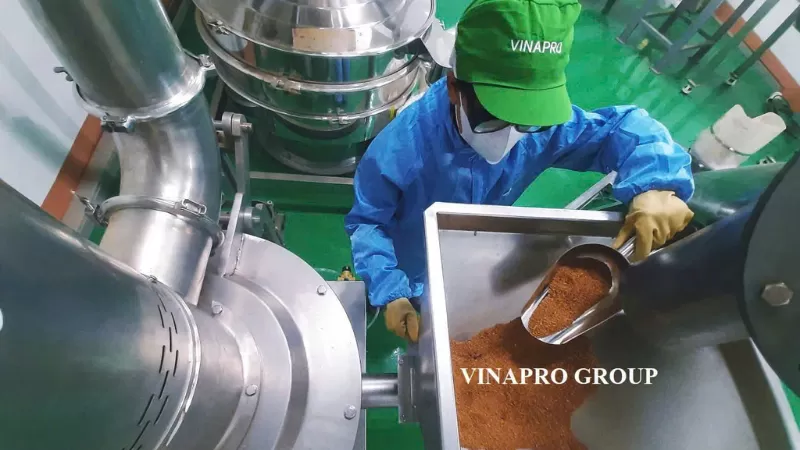
Cinnamon processing equipment supports cleaning, sorting, grinding, and sieving to prepare Vietnamese cinnamon products according to customer specifications for export.
5. Verify Export Experience and Documentation
A reliable cinnamon supplier should understand the commercial and logistical requirements of international trade.
Before placing an order, discuss the supplier's experience with your destination market and its ability to prepare the documents required for your shipment.
Depending on the transaction and destination, relevant documents may include:
- Commercial invoice and packing list.
- Bill of lading or other applicable transport documents.
- Certificate of origin, where applicable.
- Phytosanitary documentation, if required.
- Certificate of analysis or relevant laboratory reports.
- Organic or other certification documents, when applicable.
- Additional declarations or import documentation required by the destination market.
The exact documentation depends on the product, country, shipment conditions, and current regulations. Buyers should confirm the requirements with their customs broker or relevant authorities before shipment.
It is also useful to ask about the supplier's experience with container loading, export packaging, shipping schedules, and communication during the order process.
An experienced export supplier should be able to explain the expected production lead time, shipment arrangements, and responsibilities of each party clearly.
6. Request Samples Before Confirming a Large Order
Product samples allow buyers to assess whether the offered cinnamon meets their requirements before committing to commercial quantities.
When requesting samples, provide the specifications that matter most to your business. For cinnamon powder, these may include color, aroma, particle size, moisture content, and relevant safety requirements. For cinnamon sticks, buyers may focus on appearance, dimensions, breakage, and other agreed grading criteria.
After receiving the sample:
- Compare the product with the supplier's specification sheet.
- Evaluate its physical and sensory characteristics.
- Request relevant laboratory reports when required.
- Clarify any differences before approving the product.
- Agree on how the approved specifications will be applied to bulk production.
For recurring orders, buyers should also discuss batch consistency and how the supplier manages quality deviations. A sample is useful, but it should not replace appropriate controls and verification for commercial shipments.
7. Why Source Cinnamon from Vietnam?
Vietnam offers international buyers access to cinnamon raw materials, processing facilities, and suppliers serving a variety of commercial requirements.
Vietnamese cinnamon is commonly marketed as cassia, which differs from Ceylon cinnamon in botanical origin and sensory characteristics. Buyers should identify the exact species or product identity required for their application rather than relying on the generic word “cinnamon” alone.
Potential advantages of sourcing from Vietnam include:
- Access to cinnamon-growing areas and established raw material supply networks.
- A range of product forms, including cinnamon bark, sticks, and powder.
- Processing options for wholesale and industrial applications.
- Opportunities to consolidate cinnamon with other Vietnamese spices and agricultural ingredients.
- Suppliers experienced in serving international B2B customers.
Nevertheless, supplier capabilities vary. Buyers should evaluate each company's quality systems, production capacity, traceability, and export performance individually instead of assuming that every supplier offers the same level of service.
The most suitable supplier is the one that can consistently meet your specifications, applicable regulations, delivery requirements, and commercial expectations.
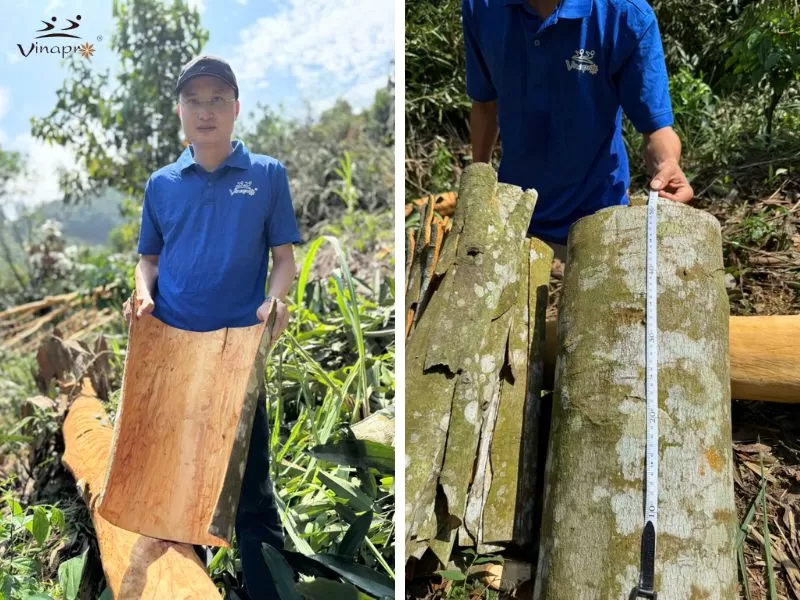
Farmers harvest cinnamon bark in Vietnam's cinnamon-growing regions, providing raw materials for processing and export to international markets.
8. Choose a Cinnamon Supplier That Matches Your Business Needs
Selecting the right cinnamon supplier in Vietnam requires a structured evaluation of product quality, food safety, processing capabilities, export documentation, pricing, and communication.
For importers and food manufacturers, a successful sourcing relationship begins with clear specifications and continues through sample approval, production monitoring, shipment documentation, and ongoing quality verification.
Rather than focusing on price alone, buyers should look for a supplier that understands their application, communicates transparently, and can support consistent supply over time.
Looking for a Vietnamese Cinnamon Supplier?
Vinapro Group supplies Vietnamese spices and agricultural ingredients for international B2B markets. Buyers interested in cinnamon products can contact the company to discuss product specifications, available forms, packaging options, and export requirements.
Whether your business is sourcing cinnamon powder, cinnamon sticks, or other cinnamon products, sharing your target specifications and destination market will help establish whether the offered products match your requirements.
Visit the official website: https://vinapro.com.vn/
Contact the Vinapro Group team to discuss your cinnamon sourcing requirements and request further product information.
- WhatsApp: +84 943 873 296
- Email: info@vinapro.com.vn
- Facebook: https://www.facebook.com/vinapro.vn/
- Linkedin: https://www.linkedin.com/company/vinaprogroup/